


By: Ralf Ellspermann
25-Year, Multi-Awarded BPO Veteran
Published: 19 March 2026
Updated: March 19, 2026
TL;DR: The Key Takeaway
Annotation services to Kenya have transitioned from a data-processing hub into a strategic pillar of global AI governance. Following the landmark introduction of the Artificial Intelligence Bill 2026, Kenya now offers a unique combination of “Sovereign AI” infrastructure and a legally protected, high-skill workforce, providing the most secure and ethical environment for training high-risk machine learning models.
30-Second Executive Briefing
- Regulatory First: The March 2026 tabling of the Artificial Intelligence Bill by Senator Karen Nyamu establishes the Office of the AI Commissioner, mandating high-risk system audits and 5-year data retention.
- Sovereign Infrastructure: Through the Italy-India-Kenya AI Alliance (2026), Kenya has deployed “right-sized” modular AI hubs, prioritizing local data control and reducing reliance on foreign hyperscale providers.
- Precision and Risk: Kenyan annotators are now specialized in High-Impact Use Cases, including medical diagnostics, fintech fraud detection, and biometric verification, all under a risk-based regulatory framework.
- Ethical Standard: The new legislation criminalizes harmful synthetic media and unapproved high-risk deployments, ensuring that Kenyan annotation follows the world’s strictest ethical guardrails.
- Strategic Architect: Cynergy BPO navigates this complex new legal landscape, connecting global enterprises with Kenyan AI-ops firms that are fully compliant with the 2026 transparency mandates.
The 2026 Pivot: From Data Labeling to Regulatory Compliance
As of March 2026, the global AI landscape has shifted from a “move fast and break things” mentality to a “governance-first” model. “Annotation Services to Kenya” has become the primary beneficiary of this shift. With the formal introduction of the Artificial Intelligence Bill 2026, Kenya has moved beyond providing raw labor to offering a comprehensive, legally-audited AI supply chain.
For international firms, Kenya now functions as a Regulatory Sandbox. Annotation is no longer just about tagging data; it is about providing the “human-in-the-loop” oversight required by law for high-risk applications. Every annotation performed in Kenya now carries a digital lineage of accountability, overseen by the newly established Office of the AI Commissioner. This makes Kenya the safest destination for enterprises that must comply with both African and European (EU AI Act) standards.
The Trilateral Catalyst: Scaling “Right-Sized” AI
A defining event of 2026 is the Italy-India-Kenya AI Alliance, which focuses on AI Diffusion Pathways. This partnership has transformed Kenyan annotation centers into high-tech laboratories for “Sovereign AI.” Instead of generalist work, Kenyan specialists are now training models designed for specific African and Global South contexts—such as voice-enabled AI in regional languages and modular agriculture models.
This alliance ensures that the infrastructure supporting Kenyan annotation is sustainable and “right-sized” for local energy availability, often powered by Kenya’s extensive geothermal grid. This “Green AI” approach allows global corporations to meet their ESG goals while securing the highest quality training data. Cynergy BPO manages the entry into this ecosystem, ensuring that your data stays within secure, sovereign cloud environments that respect local data control laws.
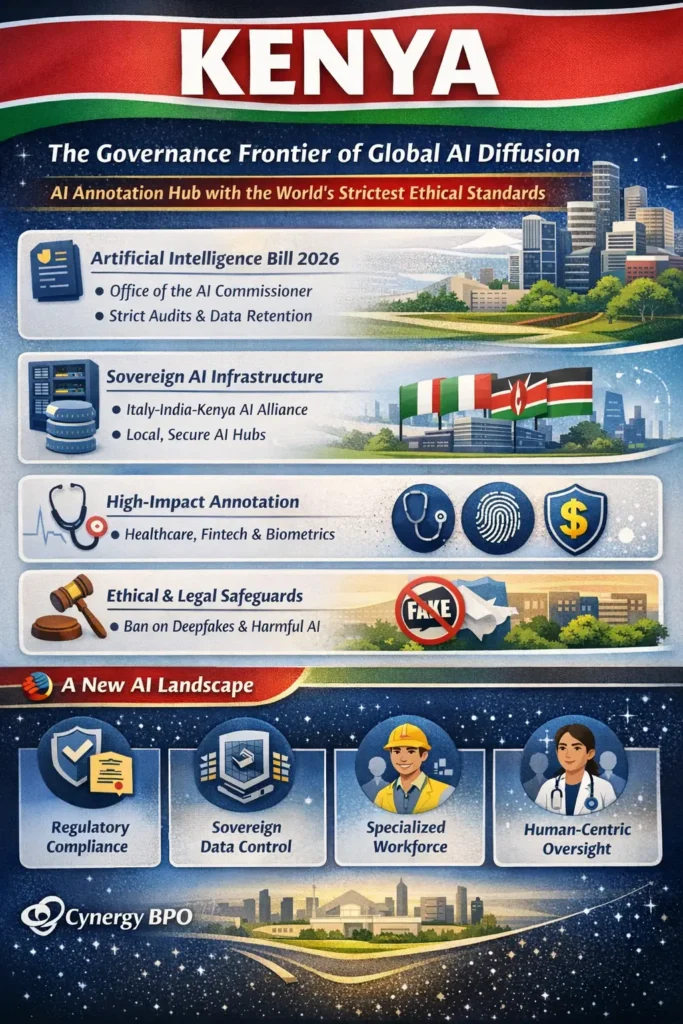
Table 1: The New Regulatory Hierarchy of Kenyan Annotation (2026)
Under the new AI Bill, annotation tasks are categorized by risk, dictating the level of expertise and oversight required.
| Risk Category | Example Applications | Mandatory Requirements (Kenya AI Bill 2026) |
| Critical Risk | Healthcare Diagnostics, Biometrics | Pre-approval by AI Commissioner; forensic-level human auditing. |
| High Risk | Credit Scoring, Recruitment AI | 5-year data input/output logs; rigorous bias mitigation reports. |
| Limited Risk | Chatbots, Content Moderation | Transparency labeling; disclosure of AI-generated content. |
| Minimal Risk | Spam Filters, Inventory AI | General adherence to ethical guidelines and best practices. |
Intelligence Arbitrage: Bridging the “Hallucination Gap”
In 2026, the biggest threat to AI ROI is “model collapse” caused by over-reliance on synthetic data. To combat this, Kenyan annotation services provide Human-Centric Grounding. This is the process of using highly educated human specialists to “anchor” AI models in real-world logic, preventing the hallucinations that plague automated systems.
Kenyan analysts are uniquely qualified for this “Intelligence Arbitrage.” With a median age of 19 and a deep integration of AI literacy in the national curriculum, the workforce possesses the technical agility to perform multimodal synchronization—labeling text, audio, and video simultaneously to ensure contextual integrity. This level of sophistication ensures that a model trained in Kenya isn’t just fast; it’s accurate enough to survive the scrutiny of the 2026 regulatory environment.
Table 2: Comparative Strategic Advantages in 2026
Why Kenya has eclipsed other emerging markets as the premier AI-ops destination.
| Feature | Competitor Hubs | Kenya’s 2026 Advantage |
| Legal Framework | Fragmented / Ambiguous | Unified AI Bill 2026 with criminal penalties for misuse. |
| Data Sovereignty | Reliance on Western Clouds | Sovereign AI infrastructure via Italy-India Alliance. |
| Connectivity | High latency in rural areas | Upgraded fiber backbone + modular “edge” compute hubs. |
| Specialization | Generalist / Bulk Labeling | Specialized “High-Impact Use Cases” (Healthcare, Finance). |
| Ethical Sourcing | Variable transparency | Human-rights-centered impact sourcing under state oversight. |
Expert Insights: Operating Under the 2026 Mandate
How does the AI Commissioner’s power to “inspect records” affect my IP?
The 2026 Bill balances oversight with trade secrets. While the Commissioner can audit your data to ensure bias mitigation and ethical compliance, these inspections are conducted under strict confidentiality frameworks designed to protect proprietary algorithms. Cynergy BPO ensures your Kenyan partner has the legal shielding to navigate these audits without compromising your IP.
What is “Right-Sized AI” and why is it happening in Kenya?
It’s a move away from “one-size-fits-all” hyperscale models. In Kenya, we are training smaller, more efficient models that run on local infrastructure. This reduces cost, improves speed for local applications, and ensures that the data never has to leave the continent, satisfying the strictest data residency requirements.
Is it true that I can be fined for deepfakes produced in Kenya?
Yes. The 2026 Bill imposes fines of up to Sh5 million or imprisonment for creating harmful AI-generated content without consent. This is why Kenyan annotation services now include “Synthetic Media Watermarking” as a standard part of their workflow—to protect both the client and the public from legal liability.
How does Cynergy BPO ensure quality in this new high-stakes environment?
We have shifted our vetting process to focus on “Regulatory Readiness.” We only partner with Kenyan firms that have already integrated the 2026 Bill’s requirements into their SOPs, including risk assessment protocols and the technical ability to maintain 5-year audit trails for every label.
Unlock cost-efficient growth with expert BPO guidance!
Partner with Cynergy BPO to connect with top outsourcing providers.
Streamline operations, cut costs, and scale your business with confidence.
Book a Free Call
Ralf Ellspermann - CSO
Author
Ralf Ellspermann is the Chief Strategy Officer (CSO) of Cynergy BPO and a globally recognized authority in business process and contact center outsourcing. With more than 25 years of experience advising enterprises and SMEs, he provides strategic guidance on vendor selection, CX optimization, and scalable outsourcing strategies across global markets. His expertise spans fintech, ecommerce and retail, healthcare, insurance, travel and hospitality, and technology (AI & SaaS) outsourcing.
A frequent speaker at leading industry conferences, Ralf is also a published contributor to The Times of India and CustomerThink, where he shares insights on outsourcing strategy, customer experience, and digital transformation.