


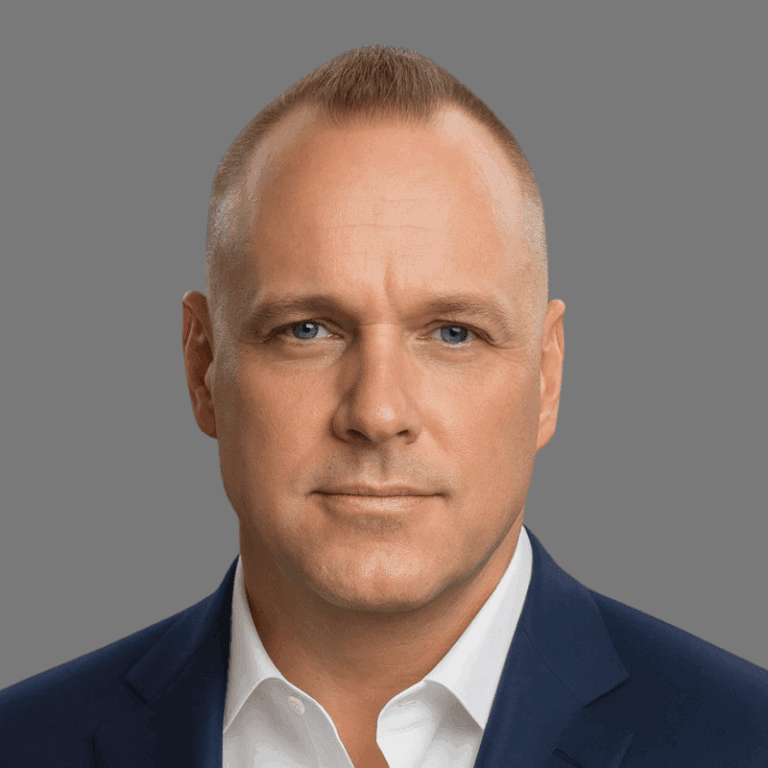
By: Ralf Ellspermann
25-Year, Multi-Awarded BPO Veteran
Published: 24 February 2026
Updated: February 24, 2026
30-Second Executive Briefing
- The 2026 Shift: Compliance has moved from a “check-the-box” activity to Continuous Controls Monitoring (CCM). Indian hubs now provide 24/7 oversight of data access, utilizing Agentic AI to flag anomalies in milliseconds.
- The Tech Edge: Integration of RegTech LLMs trained on the latest CMS, OCR, and global privacy mandates allows Indian centers to automate up to 80% of mandatory reporting (MIPS, HEDIS, and MACRA).
- Performance Impact: Organizations partnering with Indian compliance hubs report a 70% reduction in reporting errors and significant protection against “regulatory creep” through real-time legislative tracking.
- Data Sovereignty: Full alignment with the DPDP Act 2026 and HIPAA’s updated digital privacy rules. Operations are conducted in “Sovereign AI Stacks” that ensure no data leaves the client’s designated jurisdiction without automated audit logs.
Deep Dive: From Static Audits to Agentic Vigilance
In 2026, the complexity of healthcare regulation—spanning US federal mandates and India’s robust Digital Personal Data Protection (DPDP) Act—has made manual compliance impossible. Indian outsourcing centers have responded by evolving into Compliance Command Centers.
The cornerstone of this evolution is Agentic Audit Orchestration. Instead of a human auditor reviewing a sample of 100 charts, an Indian-based AI agent audits 100% of all digital encounters in real-time. These agents check for proper documentation, patient consent signatures, and PHI redaction before a file ever reaches a reporting database. This “pre-emptive compliance” model effectively eliminates the risk of clawbacks and federal fines.
Table 1: Compliance Evolution (2024 vs. 2026)
| Service Component | Legacy Compliance (2024) | Agentic India Hub (2026) | Strategic Impact |
| Audit Frequency | Quarterly/Annual | Continuous (Real-Time) | 100% Data Integrity |
| Reporting TAT | 30–60 Days | < 24 Hours | Immediate Strategic Insights |
| Error Correction | Reactive/Post-hoc | Proactive/In-stream | Zero-Penalty Environment |
| Regulatory Tracking | Manual Research | AI Legislative Scanning | Instant Policy Updates |
The “Sovereign Stack” and Data Sovereignty
The IndiaAI Mission has funded the development of specialized “Sovereign Compliance Stacks.” For U.S. healthcare entities, this means their data is processed in a secure environment where the AI models are locally hosted in India but globally compliant. This prevents “Third-Party Leakage”—a common concern with general-purpose AI models.
Furthermore, Indian compliance hubs now utilize Automated Privacy Impact Assessments (aPIA). Every time a new data workflow is created, the system automatically runs a simulation to ensure it meets both HIPAA 2026 and DPDP requirements. If a conflict is found, the Agentic Compliance Officer automatically suggests a remediation path, ensuring the provider is always on the right side of the law.
Table 2: 2026 Regulatory Reporting Benchmarks
| Reporting Category | In-House US | India Compliance Hub | Efficiency Gain |
| HEDIS/MIPS Submission | High Manual Effort | 90% Automated | 75% Cost Reduction |
| Data Breach Detection | 10–12 Minutes | < 15 Seconds | Maximum Risk Mitigation |
| Policy Update Speed | Weeks | Instant (Global Sync) | Future-Proof Operations |
| Audit Readiness | 2-Week Preparation | Always-On Audit Trail | Zero-Stress Compliance |
Bridging the Global Regulatory Gap
As healthcare becomes increasingly borderless, the ability to manage Multi-Jurisdictional Compliance is a competitive advantage. Indian hubs now act as “Global Translators” for regulation. Whether a provider is expanding into telehealth services in the UK (GDPR), the US (HIPAA), or the Middle East, Indian compliance experts use Cross-Border AI Engines to map one set of controls to multiple regulatory frameworks.
This capability is particularly vital for Clinical Trials and Research. Indian hubs manage the massive reporting requirements for global trials, ensuring that patient data collected in Mumbai or Manila meets the rigorous FDA 2026 submission standards.
Table 3: Core RegTech Stack in India (2026)
| Technology | Role | Benefit |
| Semantic Policy Mappers | Links policy to procedure | Instant SOP updates |
| Biometric VDI | Ensures only authorized access | Zero internal data theft |
| Blockchain Audit Logs | Immutable proof of compliance | Defensible in court/federal audit |
| Anomaly Detection LLMs | Identifies non-compliant speech/text | Real-time agent training |
Verdict: Compliance as a Growth Engine
“In 2026, compliance isn’t a cost center; it’s the foundation of trust,” says John Maczynski, CEO of Cynergy BPO. “By outsourcing to India’s Agentic hubs, providers aren’t just avoiding fines—they are building a transparent, high-integrity operation that patients and payers value.”
FAQ: Healthcare Compliance 2026
Q: How does India ensure compliance with both US HIPAA and India’s DPDP Act?
A: Hubs use Dual-Layer Governance models where workflows are designed to meet the strictest requirement of either law, ensuring a ‘High-Water Mark’ for privacy that exceeds both standards.
Q: Can AI agents handle complex clinical documentation audits?
A: Yes. Using Medical-Specific LLMs, agents can understand clinical context (e.g., verifying if a treatment matches a diagnosis code) to ensure medical necessity compliance.
Q: What happens if U.S. regulations change overnight?
A: The RegTech engines in Indian hubs are fed direct API feeds from federal registries. When a rule changes, the AI sub-agents automatically update the validation logic across all workflows within minutes.
Unlock cost-efficient growth with expert BPO guidance!
Partner with Cynergy BPO to connect with top outsourcing providers.
Streamline operations, cut costs, and scale your business with confidence.
Book a Free Call
Ralf Ellspermann - CSO
Author
Ralf Ellspermann is the Chief Strategy Officer (CSO) of Cynergy BPO and a globally recognized authority in business process and contact center outsourcing. With more than 25 years of experience advising enterprises and SMEs, he provides strategic guidance on vendor selection, CX optimization, and scalable outsourcing strategies across global markets. His expertise spans fintech, ecommerce and retail, healthcare, insurance, travel and hospitality, and technology (AI & SaaS) outsourcing.
A frequent speaker at leading industry conferences, Ralf is also a published contributor to The Times of India and CustomerThink, where he shares insights on outsourcing strategy, customer experience, and digital transformation.