



By: Ralf Ellspermann
25-Year, Multi-Awarded BPO Veteran
Published: 19 March 2026
Updated: March 18, 2026
To achieve global equity in voice technology, developers must move beyond standard accents. Outsourcing speech recognition training to Kenya provides access to a vast, multilingual talent pool capable of annotating the complex phonetic and dialectal nuances required for truly inclusive AI. This strategic approach ensures models perform accurately across diverse populations, reducing bias and improving global user experiences.
30-Second Executive Briefing
- The Precision Gap: Modern speech AI often fails when encountering non-standard accents, necessitating more granular and diverse training data.
- Kenya’s Linguistic Wealth: With over 60 indigenous languages and high English/Swahili proficiency, Kenya offers a unique “living laboratory” for acoustic diversity.
- Expert Data Labeling: Kenyan specialists provide high-fidelity transcription and emotional tagging that machines cannot yet replicate independently.
- Strategic Scalability: Partnering with East African AI-ops hubs accelerates development cycles while ensuring ethical data sourcing.
- Competitive Inclusion: Building models on Kenyan datasets creates products that are robust, culturally aware, and ready for international markets.
The Critical Shift Toward Linguistic Equity in AI
Voice-activated systems have become ubiquitous, yet a persistent “accent gap” continues to marginalize millions of global users. This technical failure stems from a historical reliance on homogenized datasets that favor dominant dialects. To bridge this divide, the industry is pivoting toward radical inclusivity. By prioritizing Speech Recognition Training Outsourcing to Kenya, enterprises are finally addressing the root cause of AI bias. This movement isn’t just about corporate social responsibility; it is a technical necessity for creating software that functions reliably in the real world.
Kenya’s Multilingual Landscape: A Strategic Asset for Machine Learning
The Kenyan Republic serves as a premier destination for acoustic variety. Home to more than 60 distinct indigenous tongues alongside widespread fluency in English and Swahili, the nation provides an unmatched environment for capturing phonological and syntactic variations. Developers can expose their algorithms to an immense range of pitch, rhythm, and lexical structure within a single geographic region. This concentration of linguistic diversity allows for the creation of “stress-tested” models that can navigate the complexities of global speech patterns far more effectively than those trained on Western-centric audio alone.
The Human Element: Precision Annotation in East Africa
High-performing speech models are built on the foundation of meticulous human-in-the-loop processing. In Kenya, data annotation is treated as a sophisticated craft rather than a repetitive task. Local experts do more than just transcribe words; they decipher emotional intent, identify subtle dialectal shifts, and provide the metadata necessary for deep learning. This level of detail ensures that the training data is contextually grounded. Because Kenyan annotators often navigate multilingual environments daily, they possess an inherent “linguistic ear” that is vital for refining the algorithms that power next-generation virtual assistants and automated transcription tools.
“True innovation in artificial intelligence is measured by its ability to comprehend the full spectrum of human expression. Choosing Kenya for speech training isn’t merely a cost-saving measure—it’s a move toward superior strategic intelligence. Tapping into this unique demographic provides the nuanced, high-fidelity data required to build unbiased, world-class systems. This is the definitive edge for tech leaders in 2026.” — John Maczynski, CEO of Cynergy BPO.
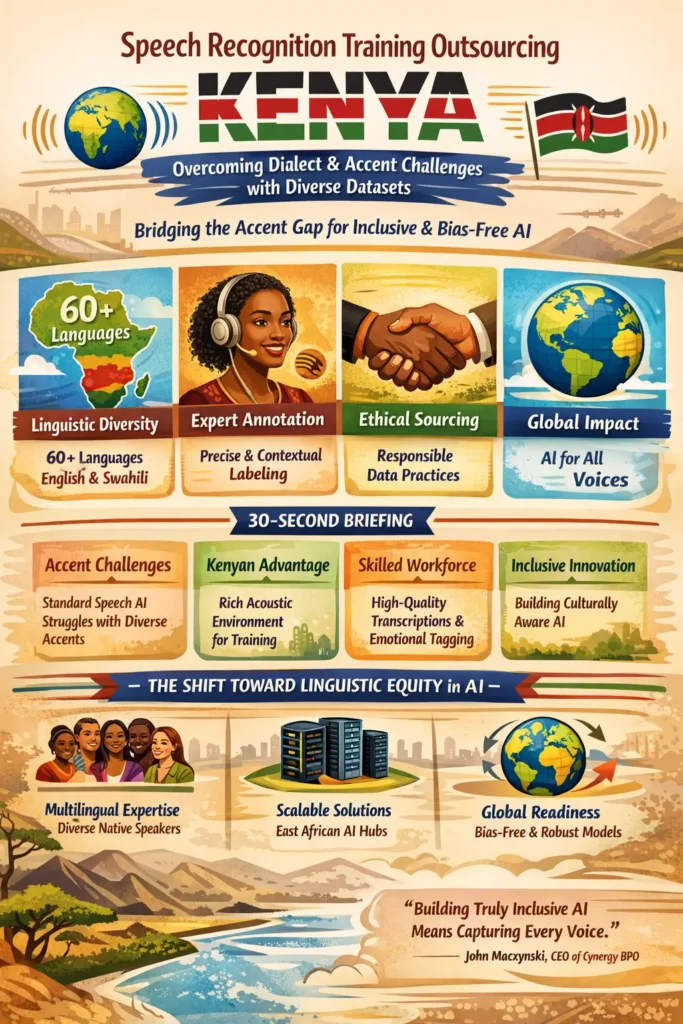
Table 1: Comparative Linguistic Diversity Index
| Metric | Kenya (Market Leader) | Global Average |
| Language Density | 68+ Native Tongues | ~20 per region |
| Dialectal Variation | Extremely High | Moderate |
| Multilingual Fluency | Exceptional | Average |
| Annotation Accuracy | Precision-Grade | Standard |
| Cultural Insight | Deeply Contextual | Surface-Level |
Efficiency and Ethical Integrity
Choosing to outsource specialized AI operations to Kenya delivers advantages that extend well beyond the data itself. One of the most immediate impacts is the acceleration of product roadmaps. Specialized Kenyan AI-ops firms have streamlined the pipeline for data collection and validation, allowing internal engineering teams to focus exclusively on architecture and deployment. This speed-to-market is a decisive factor in the current AI arms race.
Furthermore, ethical considerations are now central to search rankings and consumer trust. Training models on inclusive data from East African hubs demonstrates a tangible commitment to fairness. By actively seeking out underrepresented speech patterns, companies mitigate the risk of discriminatory algorithmic outcomes, ultimately producing a more resilient and globally marketable product.
Engineering Resilience through Specialized Knowledge
Kenyan technical expertise has evolved into a full-stack service model. Local firms no longer just label data; they provide rigorous quality assurance, preliminary model testing, and data validation. This ensures that the information entering the neural network is verified and clean. Through the guidance of architects like Cynergy BPO, global enterprises can bridge the gap between raw audio files and sophisticated, actionable insights. This collaborative framework is essential for building AI that doesn’t break when it encounters a new accent or a noisy environment.
Solving for Accents: A Methodical Framework
Successfully navigating the complexities of regional speech requires more than just volume; it requires a structured methodology. The Kenyan approach involves:
- Hyper-Local Sourcing: Capturing audio from a wide demographic spread to ensure a representative sample of age, gender, and geography.
- Metadata Enrichment: Providing layers of context—such as environmental noise levels and speaker intent—to help the AI distinguish between signal and noise.
- Recursive Training Loops: Utilizing constant feedback from human validators to correct persistent recognition errors in specific dialects.
- Validation at Scale: Employing native speakers to verify that the AI’s “understanding” aligns with cultural reality.
Table 2: Impact of Data Diversity on Model Performance
| Benefit | Technical Description | Market Outcome |
| Precision Gains | Drastic reduction in Word Error Rate (WER). | Enhanced reliability and user trust. |
| Bias Mitigation | Performance parity across demographic groups. | Broader adoption and ethical compliance. |
| Superior Adaptation | Improved ability to handle unseen accents. | Future-proofed technology. |
| Market Expansion | Accessibility for non-Western populations. | Access to emerging global economies. |
| Acoustic Ruggedness | High performance in suboptimal conditions. | Better real-world utility in mobile apps. |
Kenya’s Role in the 2026 AI Landscape
The nation of Kenya is rapidly becoming a cornerstone of the global AI revolution. Its unique blend of linguistic richness, technical proficiency, and a thriving digital ecosystem makes it an indispensable partner for speech recognition development. Overcoming the barriers of dialect and accent is no longer a distant goal but a current reality powered by Kenyan talent. By integrating these diverse datasets, businesses are doing more than improving their code—they are making technology accessible to the entire world. The strategic decision to utilize Speech Recognition Training Outsourcing to Kenya positions forward-thinking organizations at the absolute vanguard of innovation, ensuring their AI is ready for a diverse, voice-first future.
Expert Perspectives: Frequently Asked Questions
Why are accents such a hurdle for current speech recognition models?
Accents alter the fundamental phonetic and acoustic signatures of speech. When training data is limited to a “standard” accent, the model fails to recognize these variations, leading to high error rates. Inclusion of diverse data is the only way to ensure a model can generalize across different populations.
How does Kenya provide a “competitive edge” in data collection?
Unlike regions with linguistic homogeneity, Kenya offers dozens of languages and dialects within a highly connected, tech-literate population. This allows for the rapid collection of diverse, high-quality audio that would take years to aggregate elsewhere.
Is human intervention still necessary for AI training?
Absolutely. Human annotators identify sarcasm, cultural idioms, and emotional subtext that algorithms often misinterpret. In Kenya, this human-in-the-loop process provides the “ground truth” labels that allow machine learning models to reach professional-grade accuracy.
What makes Kenya a holistic hub for AI beyond just data?
The region boasts a massive pool of multilingual, tech-savvy professionals who understand the nuances of digital transformation. This talent goes beyond simple labeling to assist with data architecture, validation, and localized testing, making it a comprehensive partner for AI operations.
Unlock cost-efficient growth with expert BPO guidance!
Partner with Cynergy BPO to connect with top outsourcing providers.
Streamline operations, cut costs, and scale your business with confidence.
Book a Free Call
Ralf Ellspermann - CSO
Author
Ralf Ellspermann is the Chief Strategy Officer (CSO) of Cynergy BPO and a globally recognized authority in business process and contact center outsourcing. With more than 25 years of experience advising enterprises and SMEs, he provides strategic guidance on vendor selection, CX optimization, and scalable outsourcing strategies across global markets. His expertise spans fintech, ecommerce and retail, healthcare, insurance, travel and hospitality, and technology (AI & SaaS) outsourcing.
A frequent speaker at leading industry conferences, Ralf is also a published contributor to The Times of India and CustomerThink, where he shares insights on outsourcing strategy, customer experience, and digital transformation.