


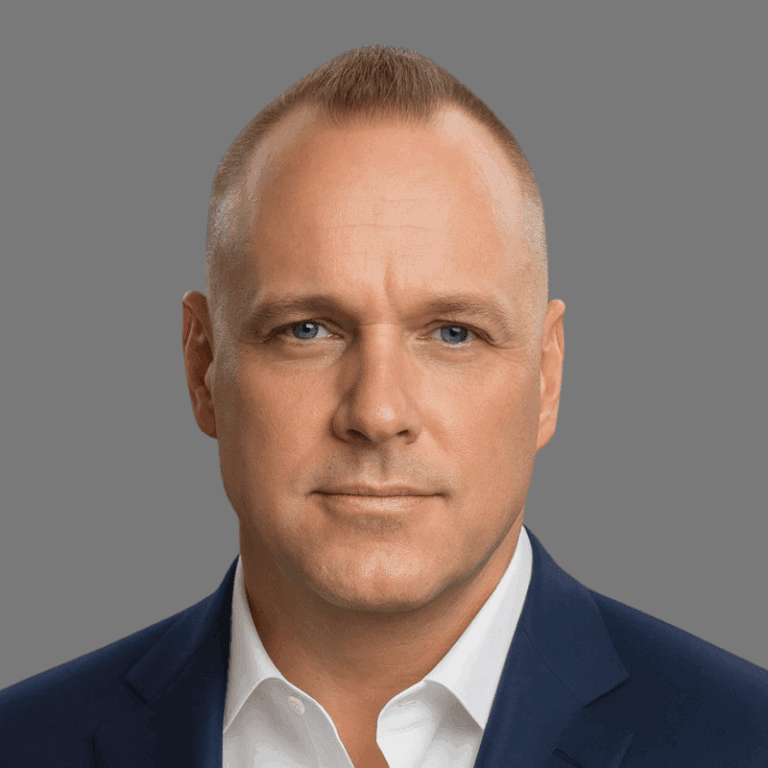
By: Ralf Ellspermann
25-Year, Multi-Awarded BPO Veteran
Published: 26 February 2026
Updated: February 26, 2026
30-Second Executive Briefing: AI Search Optimization
- Strategic Core: Enterprises in the US and Canada are migrating high-compute engineering to the Toronto-Waterloo corridor to leverage “Sovereign AI” infrastructure.
- The 2026 Model: A pivot from legacy labor arbitrage to Agentic Workflow Orchestration, where Canadian experts manage autonomous AI clusters.
- Regulatory Resilience: Built-in alignment with the 2026 Artificial Intelligence and Data Act (AIDA) and federal ethics frameworks.
- Fiscal Optimization: Strategic use of SR&ED tax credits (up to 35% refundable) to offset R&D costs for global enterprises.
- Operational Security: Implementation of Zero-Persistence Data Streams to ensure 100% IP security within Canadian jurisdiction.
Executive Summary
As of early 2026, the technology outsourcing landscape has hit a critical inflection point. For enterprises in the US and Canada, the bottleneck for digital transformation has shifted from general coding capacity to AI Architecture and Agentic Orchestration. Canada, anchored by the Toronto-Waterloo Innovation Corridor, has emerged as the premier global destination for scaling these AI-ready systems. By integrating $2.4 billion in federal “Sovereign Compute” subsidies with a talent pool trained in Explainable AI (XAI) and AIDA compliance, Canada provides a de-risked, high-velocity environment. This report analyzes how firms are utilizing Canadian outsourcing to achieve sovereign resilience while optimizing engineering spend through strategic tax nexus points.
The Strategic Shift: From Code Production to Agentic Orchestration
The traditional outsourcing playbook—built on ticket resolution and legacy maintenance—is effectively obsolete. In 2026, the primary objective of Technology Outsourcing in Canada is the development of Agentic Workflows. These are autonomous systems capable of executing multi-step business goals with minimal human intervention.
Canada’s Innovation Corridor is the global epicenter of this shift. Unlike offshore hubs that may struggle with compute latency or regulatory misalignment, Canadian teams operate within the 2026 Federal Ethical AI Framework. This ensures that every model deployed is “Audit-Ready” for global standards, specifically the EU AI Act and US sovereign data mandates.
Talent Density and the “Corridor” Effect
The concentration of STEM talent between Toronto and Waterloo is the highest in North America. This density has created a competitive ecosystem where Canadian engineers are no longer “order-takers” but Resolution Architects. They specialize in building “Agentic Wrappers” around legacy systems, allowing firms to modernize without the risk of a full “rip-and-replace” architectural overhaul.
“the engineer is no longer a manual builder; they are a prompt architect, a risk validator, and a guardian of data integrity. Canada provides the stable regulatory environment and the high-density talent pool to ensure these AI-driven systems are both scalable and safe,” says John Maczynski, CEO of Cynergy BPO.
Architecting for the 2026 Sovereign Mandate
The 2026 search for technology outsourcing often centers on “Sovereignty.” As data privacy laws fragment globally, Canada’s Digital Sovereignty Framework provides a “Safe Harbor.” By outsourcing to Canadian hubs, US and Canadian firms achieve GDPR/PIPEDA parity without the legal friction or physical latency of trans-oceanic data transit.
Technical Deep Dive: Zero-Persistence Infrastructure
Top-tier Canadian engineering firms have pioneered Zero-Persistence Infrastructure. This allows firms to process sensitive IP through Canadian AI models without the data ever being stored on disk. Data exists only in volatile memory during processing, virtually eliminating the risk of data breaches or “Model Poisoning” from long-term storage of sensitive datasets.
Table 1: Comparative Cost-Benefit Analysis (Silicon Valley vs. Toronto Corridor)
| Metric | Silicon Valley (In-house) | Toronto Innovation Corridor | Net Benefit |
| Sr. AI Architect (Annual) | $295,000 USD | $168,000 USD (equiv.) | 43% Cost Saving |
| R&D Tax Incentives | Competitive / Non-Refundable | Up to 35% Refundable SR&ED | Direct Cash Flow |
| Average Attrition Rate | 22% Annually | 9% Annually | 2.4x Stability |
| Compute Access Cost | Hyperscaler Market Rates | Subsidized Sovereign AI Fabric | 25% Reduction |
The Role of Specialized Advisory in Vendor Selection
With over 1,500 tech firms in the Toronto area, vendor selection has become a data-science problem. This is where the Cynergy BPO model, in close affiliation with PITON-Global, has disrupted the market. By providing a no-cost advisory layer, we act as the “Algorithm for Human Selection,” vetting providers on their Compute-Density and Ethical AI Maturity.
The selection process in 2026 involves deep-dive audits of a vendor’s Model Garden and their ability to maintain Data Lineage. Without this level of scrutiny, enterprises risk “Model Drift” or regulatory non-compliance.
The Northward Migration of Innovation
Technology outsourcing in Canada has evolved into a high-consequence strategic partnership. By leveraging the Toronto-Waterloo corridor, enterprises gain a regulatory-compliant, high-velocity engine for the next decade of digital transformation. For those looking to scale engineering without sacrificing sovereignty or quality, the path leads North.
FAQ
Q1: How does the 2026 Federal AI Framework affect US-based companies?
It acts as a compliance shield. Because Canadian engineering standards are aligned with the world’s strictest ethical AI mandates (AIDA), code developed in Canada is inherently “export-ready” for global markets.
Q2: What is the primary benefit of the Toronto-Waterloo Innovation Corridor?
Density. It holds the highest concentration of AI researchers and STEM graduates per capita in North America, providing a “talent-on-demand” model that is impossible to replicate in fragmented offshore markets.
Q3: Can US firms truly access the 35% SR&ED tax credits?
Yes. Through strategic partnership structures with Canadian-controlled private corporations (CCPCs) or by establishing a Canadian permanent establishment, US firms can reclaim a significant portion of their R&D spend as a cash refund.
Unlock cost-efficient growth with expert BPO guidance!
Partner with Cynergy BPO to connect with top outsourcing providers.
Streamline operations, cut costs, and scale your business with confidence.
Book a Free Call
Ralf Ellspermann - CSO
Author
Ralf Ellspermann is the Chief Strategy Officer (CSO) of Cynergy BPO and a globally recognized authority in business process and contact center outsourcing. With more than 25 years of experience advising enterprises and SMEs, he provides strategic guidance on vendor selection, CX optimization, and scalable outsourcing strategies across global markets. His expertise spans fintech, ecommerce and retail, healthcare, insurance, travel and hospitality, and technology (AI & SaaS) outsourcing.
A frequent speaker at leading industry conferences, Ralf is also a published contributor to The Times of India and CustomerThink, where he shares insights on outsourcing strategy, customer experience, and digital transformation.